
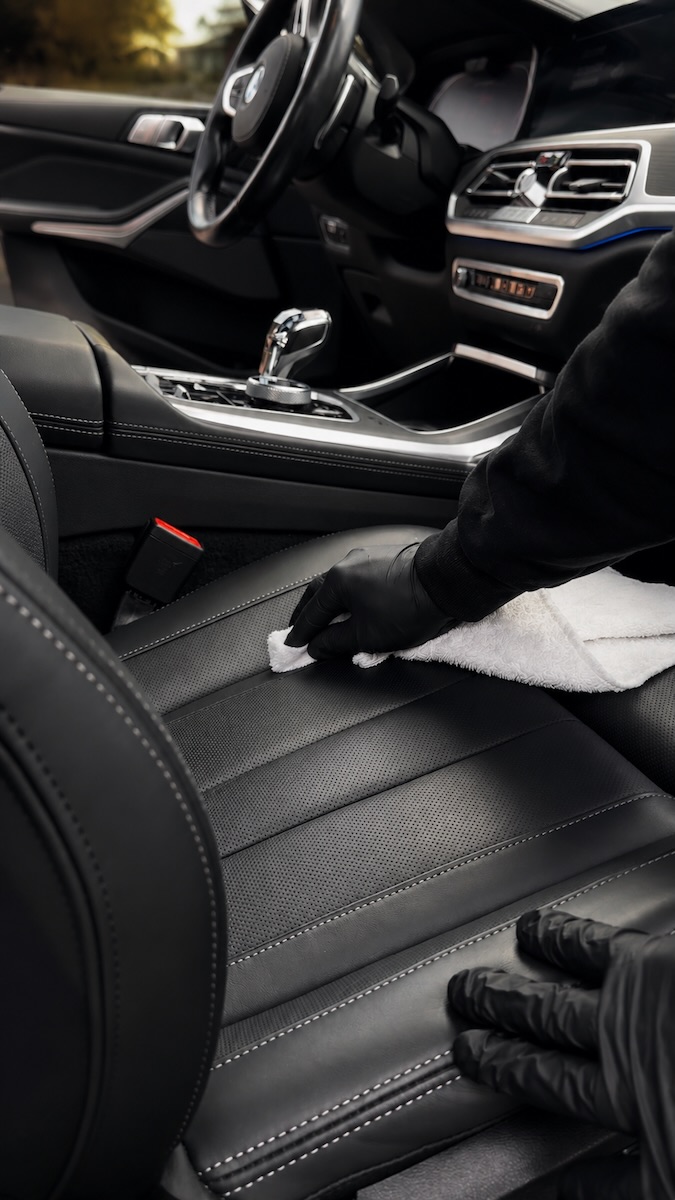
September is a useful transition point for vehicle care in Colorado Springs. Summer dust, highway grime, tree residue, sunscreen, food spills, and frequent road trips may have left vehicles looking tired before the colder months arrive. September car detailing in Colorado Springs can provide a practical reset for personal vehicles, work trucks, vans, and other fleet assets.
The best approach is to clean what has accumulated, inspect the areas that are easy to overlook, and address paint and appearance concerns before fall weather makes regular maintenance more difficult. AutoLaundry can help with exterior detailing, full detailing, and fleet washing based on the vehicle and the job required.
What should you do in September to prepare a vehicle for fall?
Start with a thorough exterior wash, remove bonded road and environmental residue, clean the glass and wheels, and inspect the paint for contamination or damage. If the interior also shows heavy summer use, combine exterior service with full detailing. For business vehicles, schedule fleet washing before fall routes become busier so every unit presents a consistent appearance.
September is not about performing every possible service. It is about identifying the cleaning and appearance work that will have the greatest effect before vehicles encounter more changing weather, muddy roads, and reduced daylight.
Why September is a useful detailing window in Colorado Springs
Colorado Springs vehicles face several conditions that can make a seasonal cleaning worthwhile:
- Dry dust and fine grit: Dust can settle into seams, around badges, in wheel areas, and along lower body panels.
- Highway residue: Summer travel may leave behind bug remains, road film, and oily deposits that are not removed by a quick rinse.
- Strong sun exposure: Extended sun can make faded, oxidized, or neglected paint look more noticeable.
- Tree sap and organic residue: Parking near trees can leave sticky spots that become harder to remove over time.
- Rapid weather changes: Warm afternoons and cooler mornings can shorten the comfortable window for outdoor cleaning and inspection.
These conditions do not automatically mean a vehicle needs paint correction or specialized protection. A professional assessment can help determine whether the priority is a safe wash, exterior detailing, full detailing, or a more involved paint-care service.
September car detailing in Colorado Springs: what to prioritize
1. Remove the residue a basic wash may leave behind
A normal wash can remove loose dirt, but vehicles that have traveled extensively may need closer attention. Lower doors, rocker panels, rear bumpers, mirrors, grilles, and wheel faces often collect more grime than the rest of the vehicle.
An exterior detail should address these high-contact and high-visibility areas carefully. The goal is not simply to make the vehicle wet and shiny. It is to remove residue without grinding loose grit across the paint. Doorjambs, fuel-door areas, liftgate edges, and seams may also deserve attention because they are commonly missed during quick cleaning.
2. Check the paint before choosing a protection service
After washing, look at the finish in good light. Watch for dullness, rough-feeling areas, water spotting, bug remains, tree sap, bird residue, and light surface marks. Some contamination can be removed through detailing, while deeper defects may require a separate correction conversation.
Avoid scraping stuck material with a sharp object or using an aggressive household cleaner. Those shortcuts can create additional marks or affect trim and clear coat. If the residue is difficult to remove, explain the concern when requesting service so the detailer can recommend an appropriate approach.
Paint protection can be useful, but the right option depends on the vehicle’s condition, expected use, parking environment, and maintenance habits. Cleaning and evaluating the paint should come before assuming a coating, sealant, or correction is necessary.
3. Restore visibility for shorter fall days
Clean glass is both an appearance concern and a practical driving concern. Road film on the windshield can become especially distracting when low-angle sunlight hits the glass. Wiper edges, exterior mirrors, side windows, and the inside of the windshield all deserve attention.
A detailer can clean the glass and identify persistent haze or contamination. If a windshield still appears cloudy after cleaning, the problem may involve wiper wear, surface damage, or a product buildup rather than ordinary dirt. Replacing worn wipers is a separate maintenance task, but clean glass makes it easier to recognize when replacement is needed.
4. Decide whether the interior needs a full reset
Summer road trips can affect more than the outside of a vehicle. Sand, dust, snack crumbs, spilled drinks, pet hair, and ground-in debris often collect under seats and in cargo areas. Family vehicles and work vehicles may also develop odors when damp items or food residue remain inside.
Full detailing is appropriate when the interior and exterior both need substantial attention. It may include cleaning and treating interior surfaces along with exterior work, depending on the selected service. If the cabin is already in good condition, an exterior-focused appointment may be the more efficient choice.
Before service, remove personal items, child seats if practical, charging cables, paperwork, and tools. This gives the detailer better access and helps prevent items from being misplaced during cleaning.
A practical fall appearance plan for work fleets
For contractors, property managers, delivery operations, and other businesses, September is a good time to review vehicle appearance before fall schedules become demanding. Consistent cleaning can help keep branded graphics, equipment compartments, door panels, and high-traffic areas presentable.
A fleet washing plan should account for:
1. Vehicle type: Pickup trucks, cargo vans, box trucks, passenger vehicles, and specialty units may need different attention. 2. Use pattern: Vehicles working on construction sites or unpaved roads may need more frequent service than vehicles used primarily on paved routes. 3. Brand visibility: Doors, tailgates, rear panels, and other areas displaying company information should remain clean and readable. 4. Scheduling: Grouping vehicles by location, shift, or route can reduce disruption. 5. Condition differences: A routine wash may suit one unit while another needs exterior detailing because of bonded residue or neglected paint.
A consistent process is often more practical than waiting until every vehicle looks heavily soiled. Businesses can request a commercial quote with details about vehicle count, types, locations, and preferred timing.
How to get better results from a September appointment
A few steps before service can make the appointment more productive:
- Tell the detailer whether the vehicle has recently traveled through dusty, muddy, or heavily bug-contaminated areas.
- Point out sap, bird residue, water spots, paint transfer, or areas where the finish feels rough.
- Mention decals, vinyl graphics, aftermarket coatings, roof racks, or delicate trim.
- Remove personal belongings and secure loose items.
- For a fleet, provide a vehicle list and identify units with unusual contamination or special access requirements.
- Ask which service best matches the vehicle’s current condition rather than choosing based only on the word “detail.”
If a vehicle has deep scratches, peeling clear coat, mechanical leaks, or damaged body panels, cleaning may improve its appearance but will not repair the underlying issue. Those concerns may need a body shop or mechanical professional.
When should you book September vehicle service?
Book early enough to allow time for any follow-up work, especially if the vehicle will be used for business, photographed for marketing, or taken on a fall trip. A routine exterior service may be sufficient for a lightly used vehicle. Vehicles with heavy summer mileage, neglected interiors, or visible paint contamination may benefit from a more comprehensive appointment.
For a personal vehicle, book a detailing appointment after removing clutter and noting your main concerns. For a business, ask about a schedule that fits the fleet’s operating hours. AutoLaundry can help determine whether exterior detailing, full detailing, or fleet washing is the most suitable starting point.
FAQ
Is September too early for fall detailing in Colorado Springs?
No. September can be a practical time to remove summer buildup and address paint or interior concerns before colder conditions arrive. The ideal timing depends on vehicle use, parking conditions, and how much residue has accumulated.
Should I choose exterior detailing or full detailing?
Choose exterior detailing when the main concerns are paint, wheels, glass, trim, and outside residue. Full detailing is a better fit when the cabin also needs substantial cleaning after road trips, family use, pets, spills, or work activity.
Can fleet washing remove all paint damage?
No. Fleet washing can remove dirt and many forms of surface grime, but it does not repair deep scratches, peeling clear coat, dents, or corrosion. Those conditions should be evaluated separately while the vehicle is being cleaned.
September car detailing in Colorado Springs is most useful when it is matched to the vehicle’s actual condition. Remove summer residue, improve visibility, evaluate the paint, and create a realistic cleaning schedule for personal or business vehicles. A timely exterior detail, full detail, or fleet washing appointment can help vehicles enter the fall season cleaner and more presentable without paying for services they do not need.
Ready for a cleaner vehicle? AutoLaundry brings mobile detailing to your home, office, or job site in Colorado Springs.