
Magnesium Chloride Can Ruin Your Car’s Undercarriage, Colorado Drivers Urged to Wash More Often This Winter
Winter road treatments help prevent ice, but they also create real maintenance concerns. Colorado relies on a liquid deicer that can speed up corrosion on vital components under your vehicle. Many drivers underestimate this risk. A simple wash schedule can help protect expensive parts and preserve your car’s value.
Why Colorado Uses This Deicer
State and local crews apply a salt based brine before storms. It helps prevent ice bonding to the pavement. The mixture is effective in cold conditions and reduces the need for heavy plowing. It also sticks to the road surface, which improves traction.
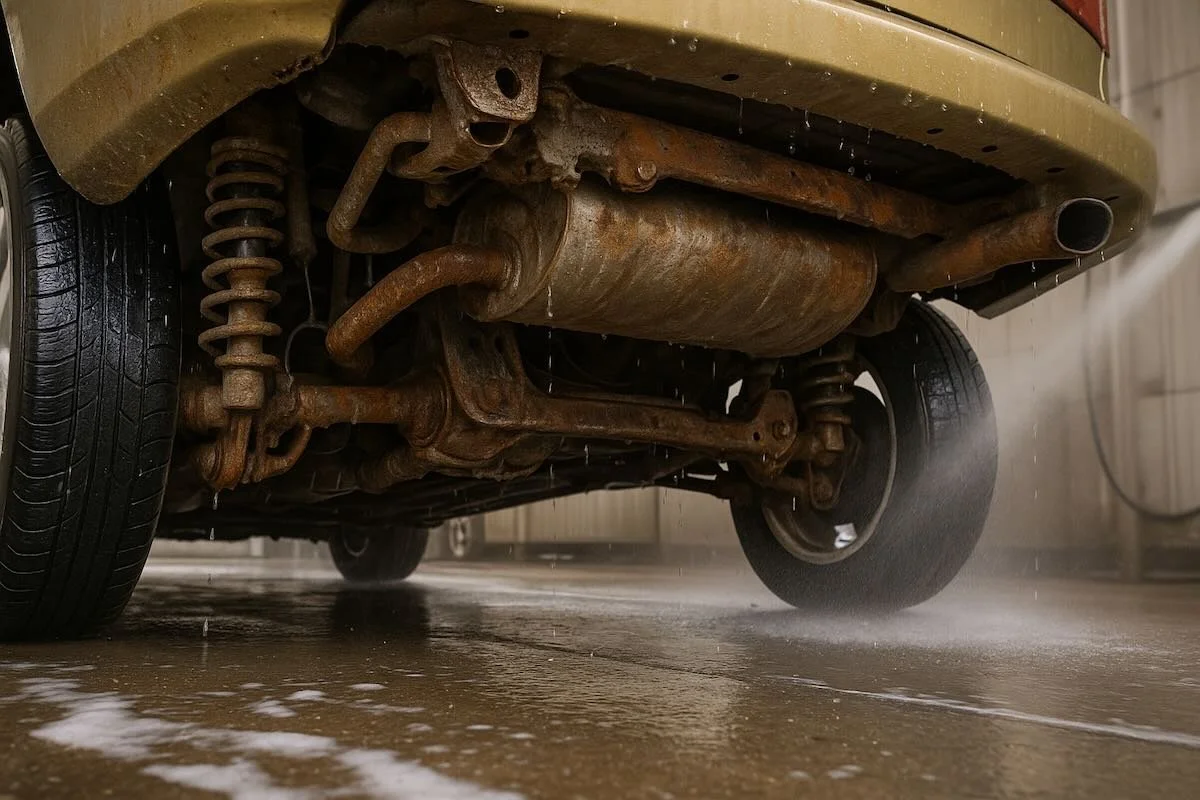
This convenience comes with tradeoffs. Extended exposure can accelerate rust on metal parts under your vehicle. That includes brake lines, suspension components, fasteners, and the frame.
How Corrosion Happens
When the brine reaches your undercarriage it can settle into seams and crevices. Moisture activates the salt and supports rust formation. Mechanical action from driving forces more solution into hidden areas. Over time, this can lead to:
Surface rust that spreads along exposed metal
Pitting on brake components
Damage to protective coatings
Premature failure of fasteners or brackets
Corrosion often develops out of sight. Many drivers do not notice early changes until repairs become costly.
How Often Colorado Drivers Should Wash in Winter
Regular washing is the best defense. A consistent routine keeps salt based residue from sitting on your undercarriage for long periods.
Recommended washing habits
Wash once per week during active storm cycles
Rinse the undercarriage whenever possible
Wash again after driving in slush or on heavily treated roads
Choose touchless or high pressure options that reach hidden areas
If you park in a garage, the warm environment can speed up corrosion. Frequent rinsing becomes even more important.
Extra Steps to Protect Your Undercarriage
Some simple habits help limit exposure and slow rust formation.
Avoid deep slush where residue collects
Inspect the undercarriage at the start and end of winter
Repair chips in protective coatings
Address early rust as soon as you see it
These habits reduce long term risk and support safer driving.
What to Watch For as Winter Ends
Perform a spring inspection or ask your mechanic to review key areas. Look for:
Rust flakes or discoloration
Damp or dirty buildup that suggests trapped residue
Unusual noises over bumps, which may signal weakened parts
Catching small issues early prevents more expensive structural repairs later.
FAQ
How many times can magnesium chloride be on my car before it causes damage?
There is no set number. Corrosion depends on exposure time, moisture, temperatures, and coating condition. Regular washing reduces the risk.
Does undercarriage rust affect safety?
Yes. Rust can weaken components like brake lines and suspension parts. Early inspection is important.
Are car washes with underbody sprays worth it?
They help remove residue from hidden areas that normal washing may miss.
Conclusion
Colorado winter roads demand extra care. The deicer used statewide is effective for safety, but it speeds up corrosion if left on your undercarriage. A simple washing routine, paired with seasonal inspections, protects your vehicle and helps avoid major repairs.